Fossil Country
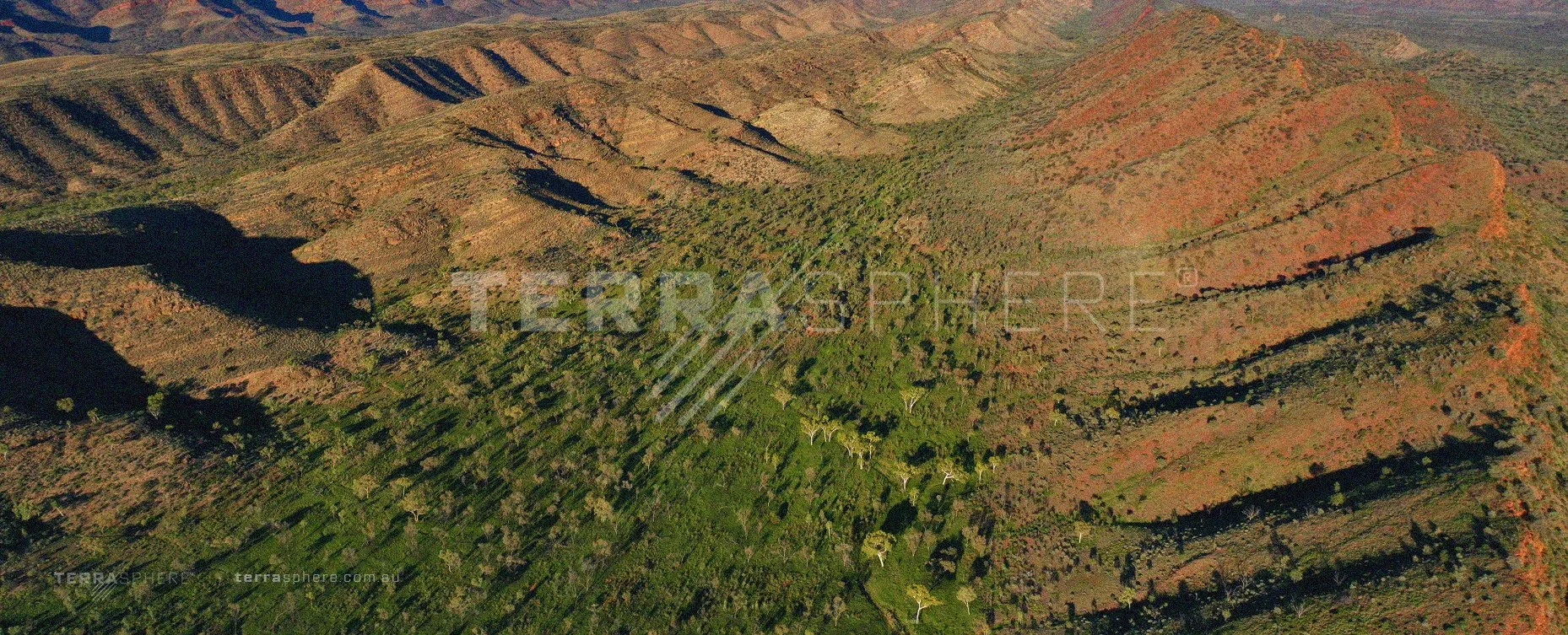
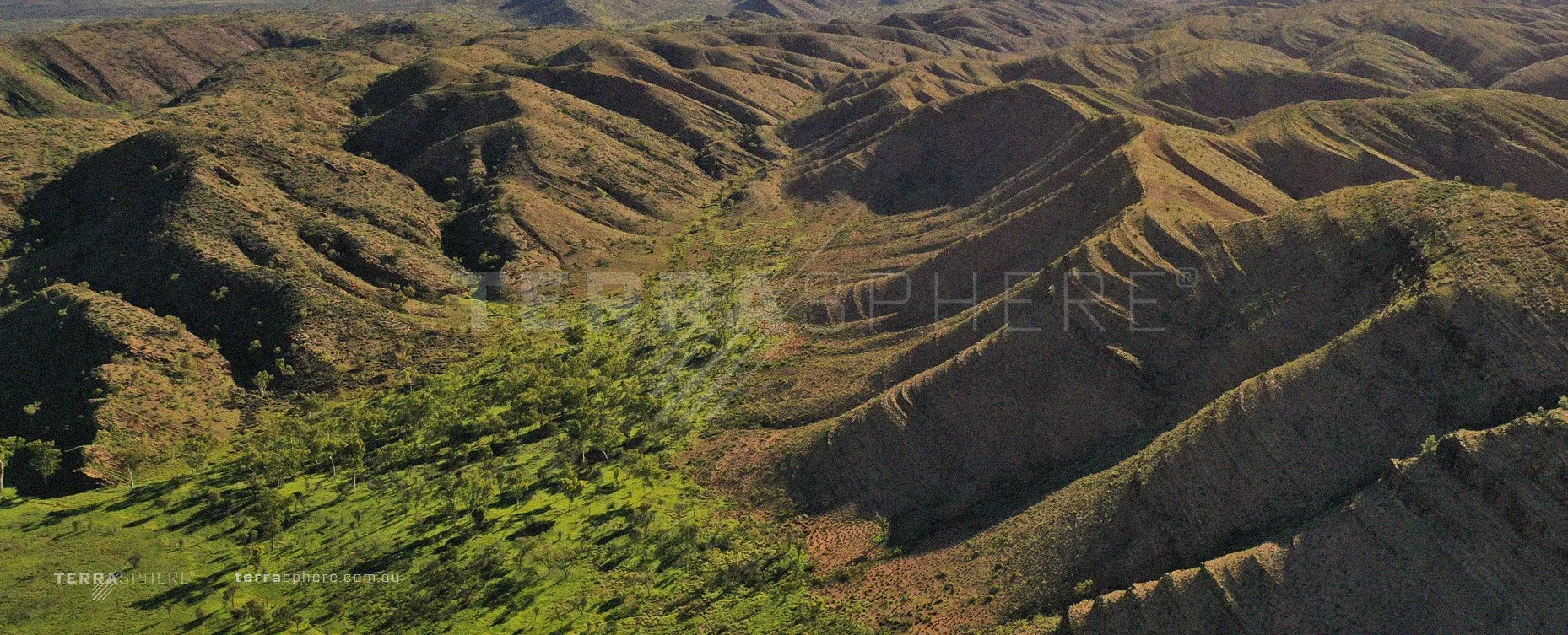
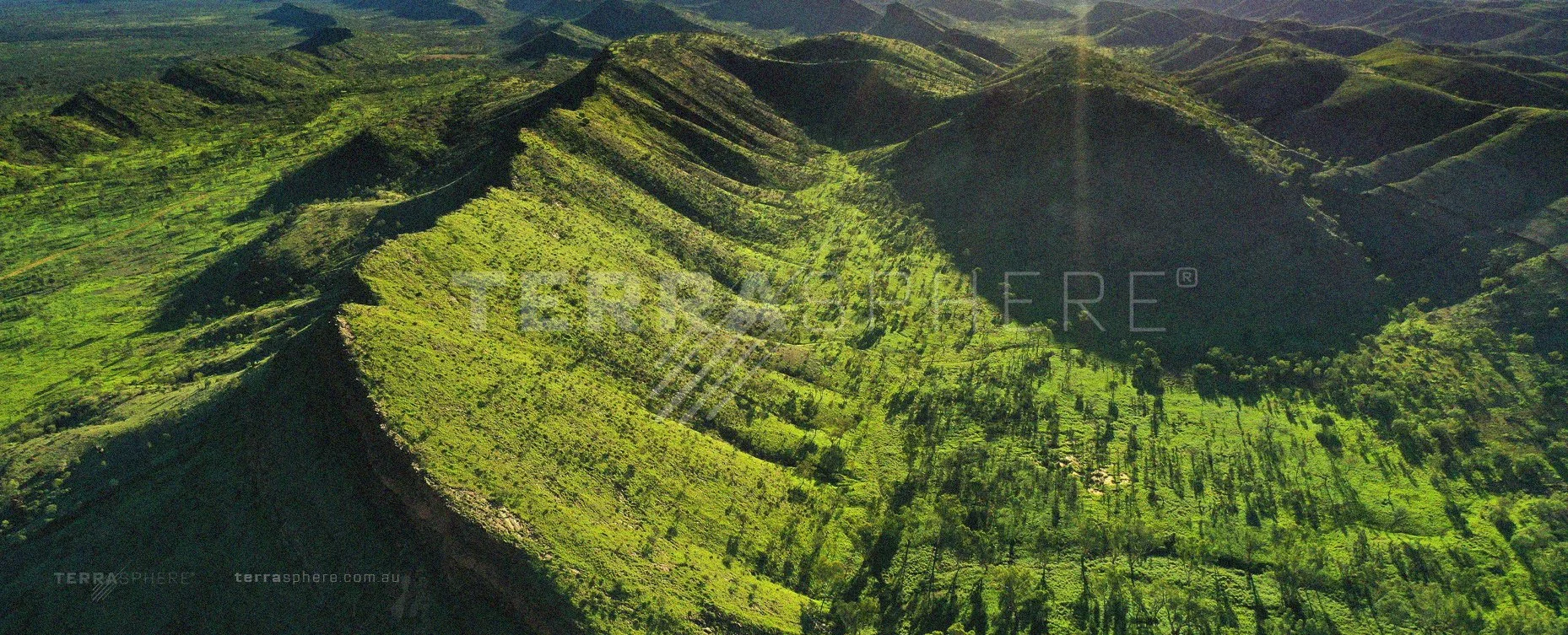
Our work speaks for itself.The ranges, gorges and desert plains around Alice Springs expose a geological history extending back hundreds of millions of years — to a time long before the Australian continent, the modern desert, or even most forms of complex life existed.
What is now one of the driest parts of Australia has been seafloor, coastline, river system, wetland and wildlife habitat. The fossils preserved within its rocks are fragments of those vanished worlds.
Before the Desert
More than 800 million years ago, parts of Central Australia lay beneath shallow seas.
Within rocks of the Amadeus Basin are stromatolites and microscopic fossils produced by some of Earth's earliest communities of life. These layered structures were formed by microbial mats growing in warm, shallow water hundreds of millions of years before dinosaurs appeared.
The desert landscape we recognise today simply did not exist.
Instead, water extended across enormous areas of inland Australia.
When the MacDonnell Ranges Were Beneath the Sea
Around 470 million years ago, during the Ordovician Period, Central Australia was again dominated by marine environments.
The ancient Larapintine Sea covered much of the region.
Its waters contained trilobites, shellfish, brachiopods, molluscs and primitive cephalopods. Their remains settled into sediment that eventually hardened into the rocks now exposed throughout the ranges.
Among the fossils discovered in the Amadeus Basin is Lycophron titan — an enormous trilobite and the largest yet described from Australia.
Today, those marine sediments sit high within an arid mountain landscape.
It is one of the remarkable contradictions of Central Australia: fossils of ancient sea creatures can now be found hundreds of kilometres from the ocean.
A Lost Inland Australia
The fossil story does not end with the ancient seas.
Millions of years later, Central Australia supported environments considerably wetter and more biologically productive than those seen today.
Fossil deposits near Alice Springs preserve evidence of marsupials, reptiles, amphibians, birds and other animals living among rivers, lakes and vegetation.
At Alcoota, northeast of Alice Springs, one of Australia's most important vertebrate fossil deposits provides a glimpse of Central Australia around 8 million years ago.
The animals were extraordinary.
Large diprotodontid marsupials moved through the landscape alongside ancient kangaroos, thylacine relatives, enormous birds, reptiles and crocodiles.
The presence of water-dependent species tells us something fundamental about the country:
Central Australia was once much wetter.
Rivers flowed through landscapes that are now dry. Permanent or semi-permanent water supported wildlife communities fundamentally different from those occupying the region today.
The Landscape Turned Inside Out
Perhaps the most extraordinary aspect of Central Australian geology is that the landscape visible today is not simply old.
It is the eroded interior of something much larger.
Sediments accumulated for hundreds of millions of years within the Amadeus Basin. Later tectonic forces compressed, folded and uplifted those rocks during major mountain-building events.
The ancestral mountains that formed were gradually stripped away by erosion.
What survives today — including the MacDonnell Ranges — is essentially the resistant skeleton of those ancient geological systems.
Walk through a gorge and you are moving through layers of geological time.
A cliff may represent an ancient seabed.
A ridge may once have been buried beneath kilometres of sediment.
A fossil embedded in sandstone may be the remains of an animal that lived when Central Australia was beneath tropical water.
Deep Time in Plain Sight
Central Australia is therefore far more than a desert landscape.
It is an exposed archive of planetary change.
Its rocks preserve the transition from some of Earth's earliest microbial ecosystems, through ancient seas and marine life, mountain-building events, wetter inland environments and large prehistoric animals, to the increasingly arid continent of today.
Much of that history is not hidden underground.
It is visible in the ranges, cliffs, gorges and rock platforms surrounding Alice Springs.
The landscape is not static.
It is simply moving at a timescale too large for us to see.
Central Australia is a place where hundreds of millions of years of Earth history remain exposed at the surface — and where almost every rock tells part of a much older story.